
William Backhouse Astor House, Grand Cottage 1816

Local Business
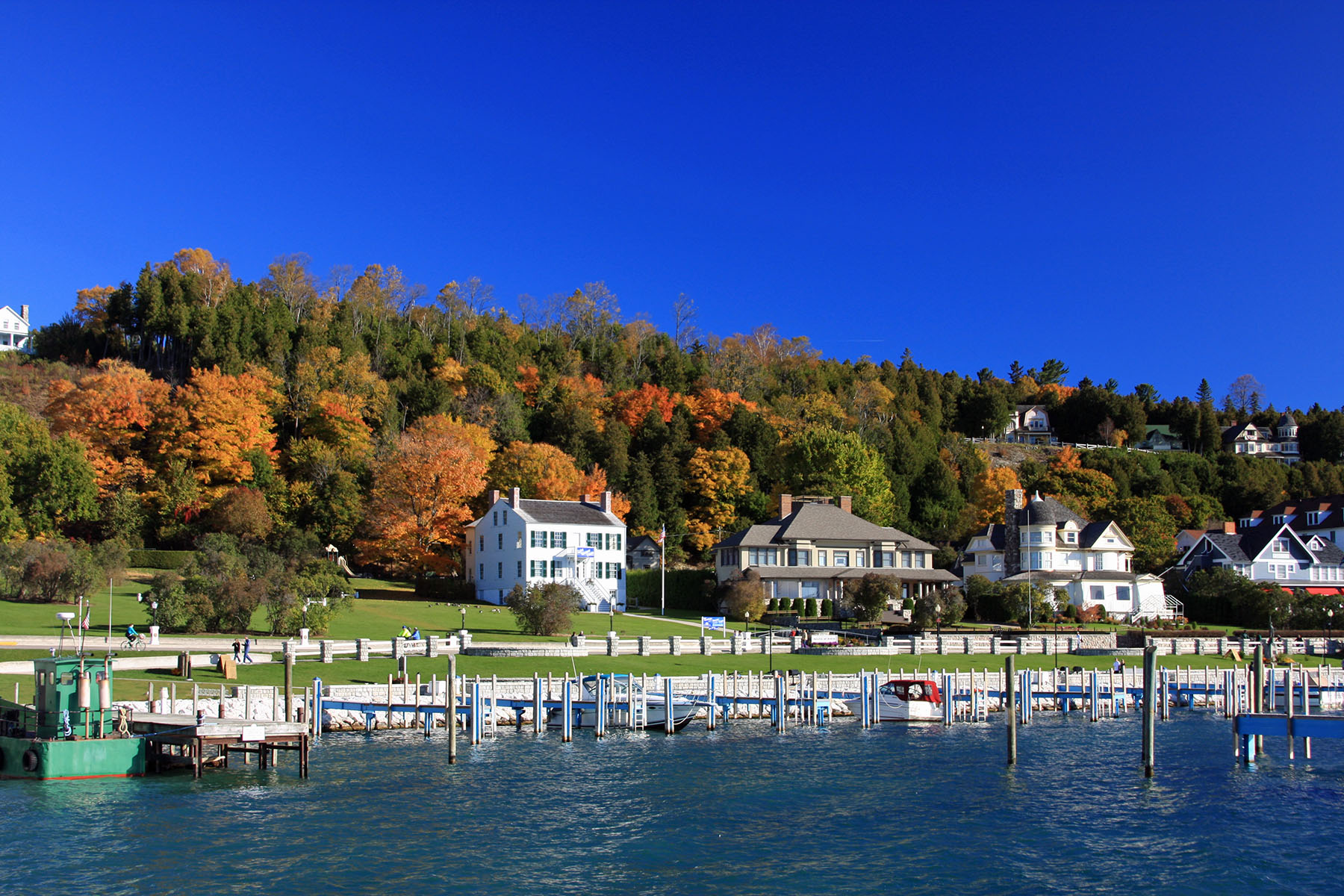
William Backhouse Astor House, Grand Cottage (1816) is a distinguished historic landmark located at 1423-1503 Cadotte Avenue on Mackinac Island, Michigan 49757. This property stands as a significant touchstone in the island’s architectural and cultural landscape, reflecting the storied past of Mackinac Island’s development as a premier travel destination and a hub of early American prosperity. As a recognized historical landmark, the site embodies a tangible link to the era of grand coastal and resort properties that drew visitors to Mackinac Island for generations.
The structure, associated with the name William Backhouse Astor House, Grand Cottage and dating to 1816, speaks to a period when the island’s built environment began to take on a distinctive form that combined elegance with regional practicality. The designation as a historical landmark signals its importance to local and regional heritage, providing a durable reminder of the architectural styles, construction methods, and land-use patterns that characterized early 19th-century resort properties on Mackinac Island. The property’s long-standing presence adds depth to the narrative of hospitality, entrepreneurship, and seasonal tourism that shaped the island’s economy and social fabric over the centuries.
Situated on Cadotte Avenue, the site is positioned within the broader context of Mackinac Island’s historic core, a place where visitors and residents alike can glimpse the continuum of travel, leisure, and preservation. The address—spanning multiple lot numbers, 1423 through 1503—suggests a parcel that may have included ancillary structures, courtyards, or landscaped spaces that were integral to the purposes of the Grand Cottage in its era. The contemporary understanding of the property as a historic landmark emphasizes stewardship, with an emphasis on maintaining the physical integrity of the built environment while allowing for informed interpretation and respectful public engagement.
The William Backhouse Astor House, Grand Cottage stands as a sentinel of the island’s heritage, inviting scholars, tourists, and community members to explore its role within Mackinac Island’s longer history of notable residences and hospitality venues. As a landmark, it contributes to a broader tapestry of preservation efforts on the island, where preservation-minded practices help protect architectural features, materials, and design elements that provide a window into the past. The site’s continued recognition underscores the importance of conserving historical resources that reveal the social and economic dynamics of the early 19th century and their enduring influence on contemporary cultural identity.
From a visitor experience perspective, the landmark is part of Mackinac Island’s rich portfolio of historic properties that contribute to the educational appeal of the destination. While the specific interior configuration and current use of the Grand Cottage may vary over time, its historical designation signals a commitment to storytelling through architecture and place. For travelers seeking a connection to the island’s origins, the site offers a tangible link to the era when the island was a nexus of travel by land and water, where grand residential designs and hospitality spaces reflected the tastes and aspirations of prominent figures and families of the period.
The property’s historical significance is complemented by its geographic setting on Mackinac Island, an environment renowned for its absence of automobiles, its scenic vistas, and its preservation-minded approach to development. Cadotte Avenue, as a corridor on the island, contributes to the sense of arrival and discovery that visitors experience when exploring Mackinac’s historic streets. The Grand Cottage’s placement along this route contributes to a cohesive understanding of how the island’s built heritage is arranged, presented, and interpreted for contemporary audiences.
In terms of preservation philosophy, the landmark designation encourages ongoing care, documentation, and community involvement. Maintaining the exterior and any historically meaningful interior features helps to ensure that the property remains legible to future generations, enabling researchers and curious visitors to glean insights into architectural trends, construction techniques, and the everyday life that surrounded a house of such prominence in the 1800s. The designation also supports the broader mission of safeguarding Mackinac Island’s unique character, which blends natural beauty with a curated record of its historical evolution.
As part of its standing as a historical landmark, the William Backhouse Astor House, Grand Cottage invites local partnerships among preservation organizations, government entities, and cultural institutions dedicated to the stewardship of Mackinac Island’s heritage. Collaborative efforts may include archival research, guided interpretation, and public programming that highlights the property’s origins, its ties to notable historical figures, and its role within the island’s broader narrative of social and economic development during the early 19th century.
For anyone compiling a business citation or directory entry, the William Backhouse Astor House, Grand Cottage—1816, located at 1423-1503 Cadotte Avenue, Mackinac Island, MI 49757, stands as a prime example of a historic landmark that embodies architectural history, preservation philosophy, and the enduring appeal of Mackinac Island as a place of memory and discovery. It represents more than a static artifact; it is a living component of a landscape that continues to attract visitors, scholars, and residents who value the preservation and interpretation of the past while engaging with the island’s vibrant, ongoing story.